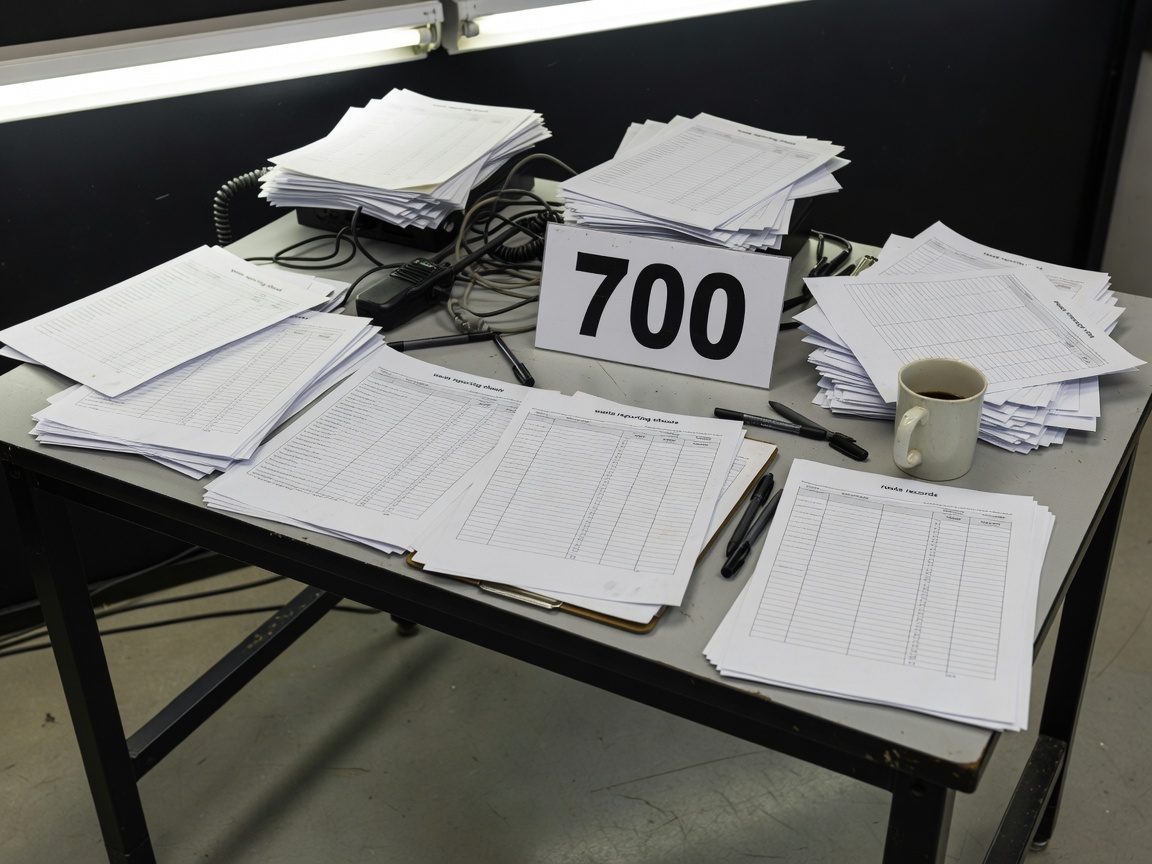
Environmental reporting begins with consistent operational records. A useful file can bring together zone lists, collection logs, stream descriptions, service notes, contractor documentation and post-event observations. It should be possible to distinguish a recorded activity from an interpretation of its environmental effect.
Separate records from claims
Operational records describe what was logged: a point was serviced, a route was changed, a category was identified or a handover document was received. Environmental claims require a stronger basis and may depend on material composition, contamination, local receiving infrastructure, sorting quality, transport and processing routes.
Do not describe a recycling rate, diversion result or environmental saving unless the data and method support it. A careful report can state what is known, what is estimated and what remains outside the record.
Build a consistent record set
Use the same fields across zones. Useful fields may include date, time, zone, point identifier, stream, service action, exception, responsible role and supporting document. Consistency matters more than visual complexity. If a field is not collected reliably, mark it as unavailable rather than filling it with an assumption.
Contractor documentation may include service notes, transfer records or receiving information where supplied. Store documents with clear names and dates. Confirm what each document proves. A collection record does not necessarily prove final processing, and a material category does not necessarily prove successful recycling.
Organise the post-event summary
A post-event summary can follow the operating sequence: plan, position, collect, sort, report. Describe zone coverage, route changes, access issues, stream performance observations and unresolved limitations. Include the date of the source records and the person responsible for compiling them.
Consistency between zones is important. If one area uses different categories or records, explain the difference. Comparisons may be useful, but only when the definitions and collection methods remain comparable.
Advantages and limitations
Structured reporting supports handover, review and future planning. It can expose missing records and route conflicts. Its limitation is that operational data is not automatically a full environmental assessment. Reporting quality depends on the quality, consistency and scope of the source records.
Key considerations
- Use common fields across all event zones.
- Retain dates, source documents and responsible roles.
- Distinguish collection evidence from processing evidence.
- Label estimates and missing data clearly.
- Do not publish unsupported rates or outcomes.
- Record limitations alongside findings.
Selection criteria
Select a reporting format that an operations team can complete during live work and review after close-down. Use plain categories, controlled versions and evidence links. The report should help the next planning cycle rather than simply present a polished final page.